

2026 Modern Facility Agriculture Conference Successfully Held
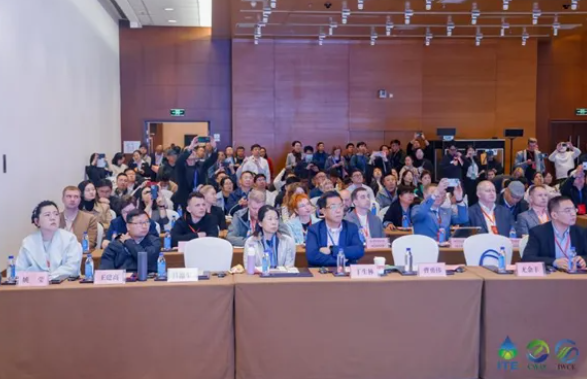
On March 30, the 2026 Modern Facility Agriculture Conference—hosted by the Facility Agriculture Equipment Branch of the China Agricultural Machinery Industry Association—concluded successfully at the China National Convention Center in Beijing. The conference, themed "Integrating Intelligence to Build a New Future for Facility Agriculture," brought together diverse resources from government, industry, academia, research institutions, end-users, and the financial sector. It focused on the transformative development of the agricultural machinery industry and aimed to drive the collaborative upgrading of the entire value chain within facility agriculture.
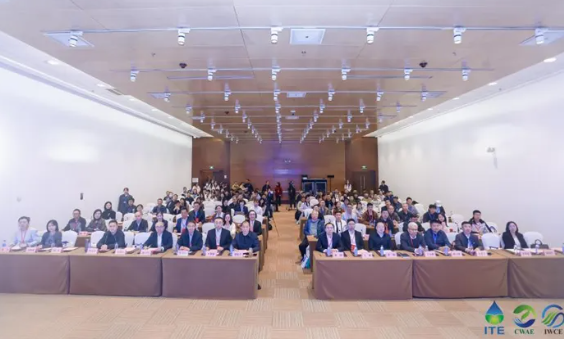
Industry Consensus: Driving the Transition from Fragmented Growth to Collaborative Win-Win Development
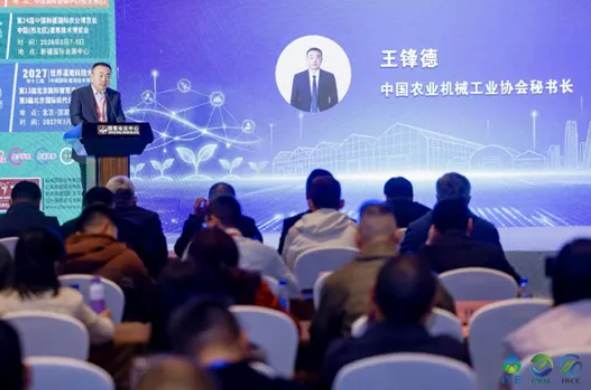
At the conference, Wang Fengde, Secretary-General of the China Agricultural Machinery Industry Association, stated that the modernization of facility agriculture equipment serves as a key indicator of the core competitiveness of my country's agricultural machinery sector. He expressed hope that the conference would fulfill its role as an industry pillar—establishing a platform for exchange and cooperation, refining industry standards, and helping to resolve critical challenges facing the sector's development.
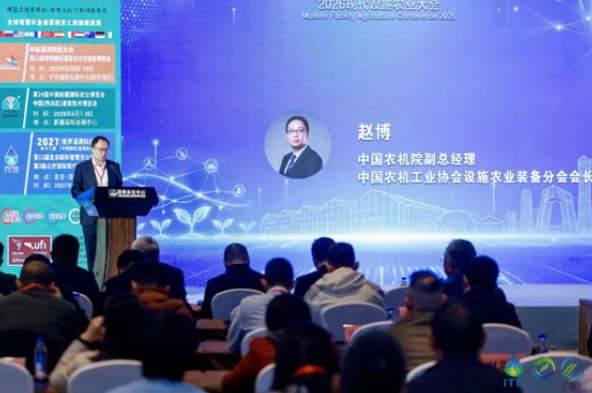
Zhao Bo, President of the Facility Agriculture Equipment Branch, pointed out that the industry is currently undergoing a transition from mere scale expansion toward a fully digitized and intelligent value chain; this transition necessitates strengthened collaboration among upstream and downstream enterprises within the supply chain. He noted that the Branch would act as a bridge, fostering collaborative partnerships among material suppliers, equipment manufacturers, and digital service providers to promote the joint construction and shared development of the industry ecosystem.
Sub-association Launches Two Industry Service Products, Bolstering the Foundation for Industrial Development
During this conference, the Sub-association unveiled two public service products designed to provide support for the development of the industry.
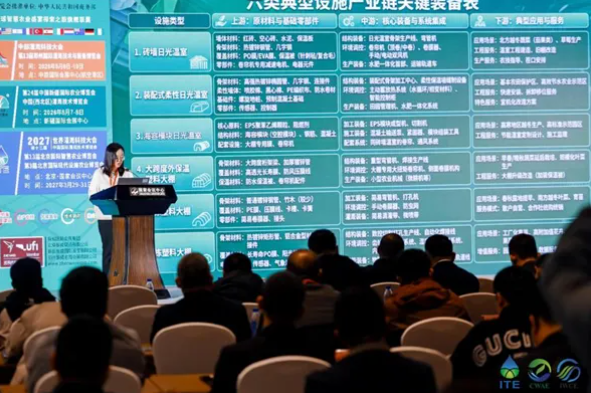
(I) Release of the
Liu Xin, Deputy Secretary-General of the Sub-association, presented this industry map. The map encompasses six categories of typical facility scenarios—including brick-wall solar greenhouses, prefabricated flexible solar greenhouses, and HaiRong modular solar greenhouses—and systematically delineates the entire industry chain, spanning upstream raw materials, midstream complete equipment units, and downstream scenario-specific services. By clearly identifying the industry's evolving trends toward modularization and systematization, the map serves as a valuable reference for enterprises seeking to precisely position themselves and strategically plan their future development.
(II) Launch of the Zhongnongji Facility Agriculture Equipment Industry Service Platform
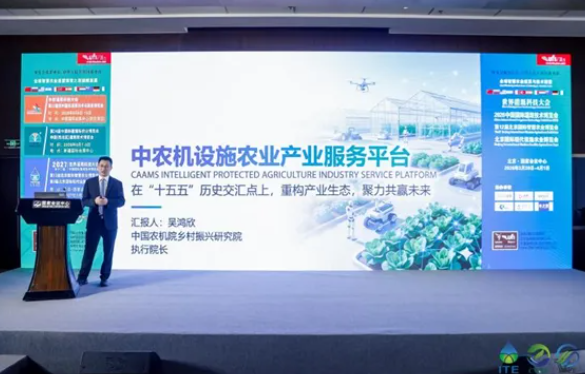
Wu Hongxin, Secretary-General of the Sub-association, introduced the platform, noting that it leverages data resources from specialized think tanks to establish a "C+F+EPC+O" full-lifecycle service model. This platform provides services encompassing engineering technology, centralized supply chain procurement, financial support, and the commercialization of research outcomes; the process of selecting and onboarding suppliers into its database has already commenced.
Corporate Showcase: Addressing Pain Points with Practical Technological Solutions
The conference featured a dedicated session for showcasing achievements, during which several member organizations shared their technological innovations—specifically designed to address practical challenges within the industry:
1. Duoletian: Building High-Value-Added Facility Agriculture Models
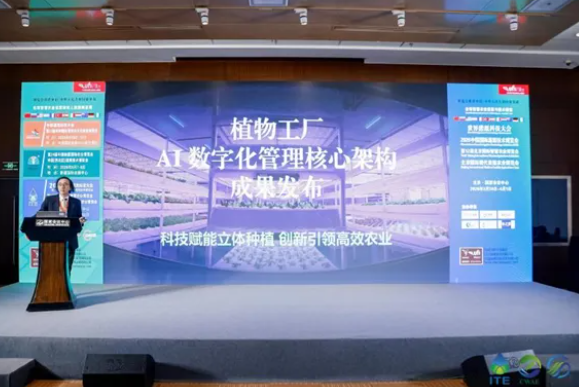
Duoletian (Shenzhen) Nano-Bio Technology Co., Ltd. unveiled its technologies for high-end vegetable and forage plant factories. Leveraging patented technologies and AI-driven management systems, the company facilitates the high-quality production of agricultural products. Furthermore, by adopting a "production-based-on-sales" strategy, they successfully enhance the added value of their products; notably, their forage plant factory technologies have already been successfully deployed in export markets.
2. Jingkun Technology: Unveiling High-End, Domestically Produced Intelligent Greenhouse Equipment
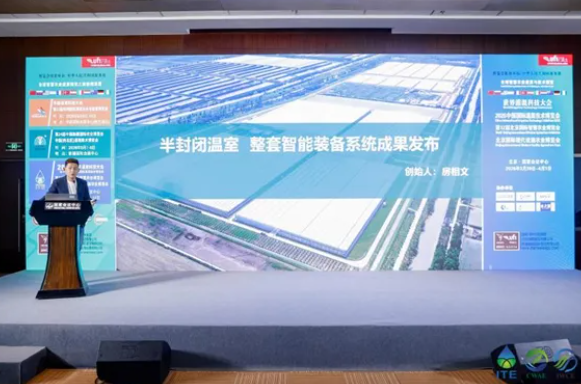
Jingkun Technology has launched a comprehensive suite of intelligent equipment for semi-closed greenhouses. This system is designed to effectively boost greenhouse yields, reduce operating costs, and ensure that agricultural products meet regulatory standards for pesticide residues. This domestically developed equipment has already been successfully deployed and implemented across numerous provinces within China, as well as in various countries overseas.
3. "Shuzhi Jingyuan": Providing Low-Cost Digital Transformation Solutions
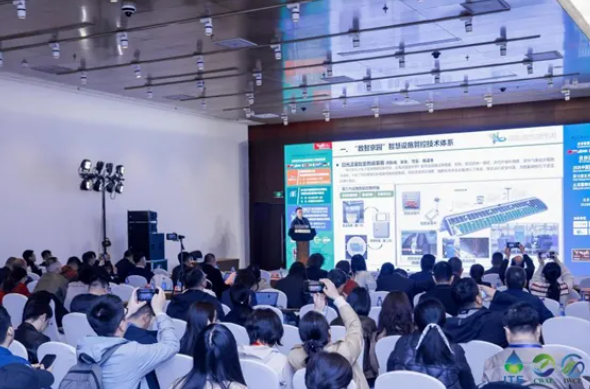
The Beijing Digital Agriculture and Rural Development Promotion Center has launched the "Shuzhi Jingyuan" platform, introducing domestically developed, modular solutions for environmental control and smart terminals. This initiative aims to reduce the costs associated with the digital transformation of facility-based agriculture, boost production efficiency, and provide replicable application models for cooperatives and other agricultural business entities.
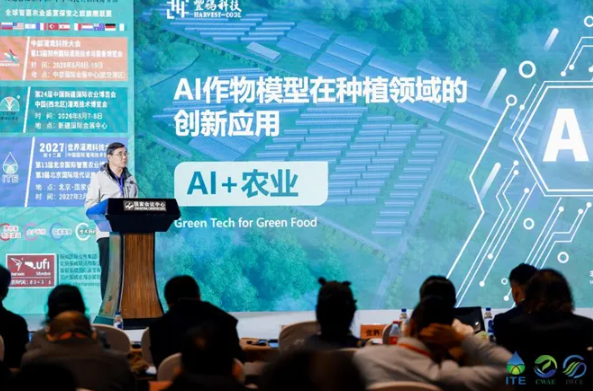
4. Fengma Technology: Unveils AI-Powered Planting Decision Technology
Fengma Technology showcased its AI crop model, UniGro, alongside its greenhouse controller, UniPilot. These solutions enable the intelligent regulation of crop growth—effectively boosting yields and reducing pesticide usage—thereby driving the transition of cultivation practices from being experience-driven to data-driven.
International Perspective: Building Bridges of Global Connectivity to Jointly Explore New Frontiers for "Going Global"
The Division recognizes that the rise of China's facility agriculture sector is inextricably linked to a high-level engagement with the global economy. The afternoon sessions of the conference—specifically the segments on "Drawing Lessons from International Experience" and the "China-Russia Agricultural Cooperation Special Forum"—serve as carefully curated "forward outposts" designed by the Division to pave the way for its member enterprises to venture into international markets.
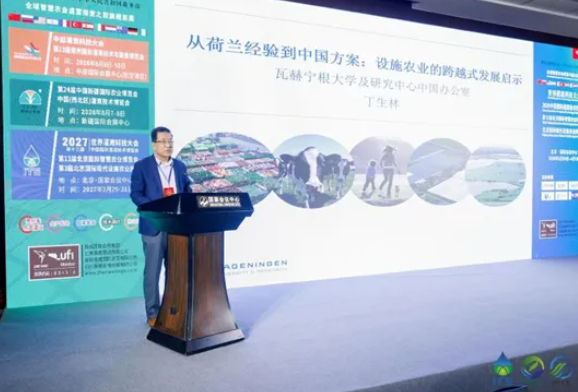
Ding Shenglin, Chief Representative of the Wageningen University & Research China Office, offered an in-depth deconstruction of the "miracle code" behind the Netherlands' remarkable achievements—holding a quarter of the world's total greenhouse area while producing tomatoes at a yield rate exceeding eight times the global average. He focused his analysis on the Dutch "Golden Triangle" model—characterized by the highly synergistic collaboration among government, industry, academia, research institutions, and finance—as well as the evolutionary trajectory from traditional glass greenhouses to intelligent, precision agriculture. This analysis not only provides a valuable benchmark for my country's facility agriculture sector as it transitions from being "facility-driven" to being "dual-driven by data and biotechnology," but it also validates the profound alignment between the "whole-industry-chain ecosystem" initiative currently championed by the Division and the world's leading-edge concepts in the field.
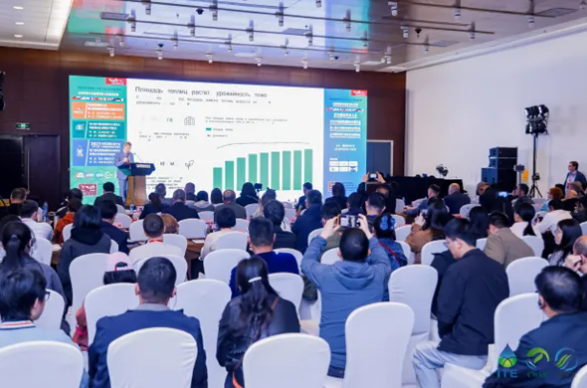
The special session dedicated to China-Russia agricultural cooperation—a highlight specifically curated for the conference—truly electrified the audience. Alexey Sitnikov, Chairman of the Russian Greenhouse Association, presented a set of staggering statistics: in recent years, the total area of winter greenhouses in Russia has nearly doubled (reaching 3,462 hectares); yields per square meter have surged from 28 kg to 48.7 kg; and the self-sufficiency rate for cucumbers has skyrocketed to 80.7%. Crucially, Russia is now vigorously driving the digital transformation of its greenhouse industry through powerful state subsidies—including preferential investment loans with terms extending up to 15 years and dedicated federal funding.
This massive, expanding market demonstrates a profound appetite for "Intelligent Manufacturing from China." Vitaly Zaitsev, General Manager of "Teplichnoe"—a state-owned greenhouse enterprise in Ulyanovsk—shared detailed insights into his company's cross-sector collaborations with leading Russian agricultural firms and Sberbank, highlighting their digital initiatives involving the adoption of machine vision for yield forecasting and automated sorting. Furthermore, Maxim, Deputy Director of Research at the "Engineering Systems Laboratory," vividly outlined a vision for the greenhouses of the future—one that transitions from control based on "mathematical models" to fully autonomous management driven by "AI agronomists."
Through this dedicated session, the Association clearly signaled a key message to its members: countries like Russia require not only Chinese-manufactured greenhouse structures but, more importantly, China's "holistic solutions" in the realms of intelligent environmental control and AI-driven decision-making. This message forms a perfect closed loop with the core objective emphasized by Secretary-General Wu Hongxin during his platform presentation: "assisting enterprises in aligning with international market demands and expanding their overseas business operations."
Roundtable Discussion: Focusing on Practical Application and Charting Development Pathways
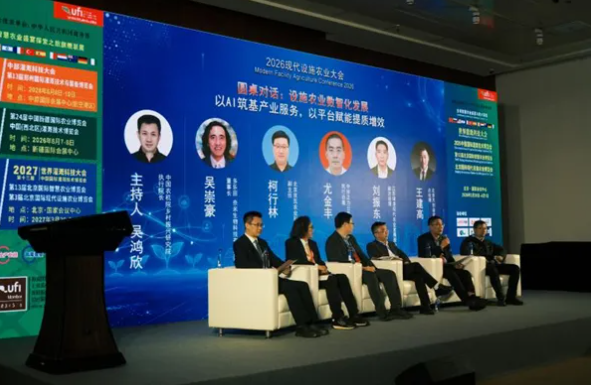
Held concurrently with the main conference, a high-level roundtable dialogue brought together representatives from industry enterprises and research institutions. Participants engaged in exchanges centered on how AI empowers industrial services and how platforms facilitate quality improvement and efficiency gains. They delved into discussions regarding software-hardware integration, R&D directions, and the profitability of industrial park operations, ultimately reaching an industry consensus: that while construction is essential, operational management is of even greater importance.
Conference Summary
By releasing an industry landscape map, establishing a service platform, and showcasing technological achievements, this conference has charted a clear direction and galvanized collective efforts for the development of the facility agriculture industry. Moving forward, the Facility Agriculture Equipment Branch will continue to leverage its role as a platform to facilitate the practical application of industry-wide public goods, promote the commercialization of technological innovations by member enterprises, support the high-quality development of facility agriculture, and contribute to rural revitalization and the construction of a strong agricultural nation.
1.The news above mentioned with detailed source are from internet.We are trying our best to assure they are accurate ,timely and safe so as to let bearing users and sellers read more related info.However, it doesn't mean we agree with any point of view referred in above contents and we are not responsible for the authenticity. If you want to publish the news,please note the source and you will be legally responsible for the news published.
2.All news edited and translated by us are specially noted the source"CBCC".
3.For investors,please be cautious for all news.We don't bear any damage brought by late and inaccurate news.
4.If the news we published involves copyright of yours,just let us know.
BRIEF INTRODUCTION
Cnbearing is the No.1 bearing inquiry system and information service in China, dedicated to helping all bearing users and sellers throughout the world.
Cnbearing is supported by China National Bearing Industry Association, whose operation online is charged by China Bearing Unisun Tech. Co., Ltd.
China Bearing Unisun Tech. Co., Ltd owns all the rights. Since 2000, over 3,000 companies have been registered and enjoyed the company' s complete skillful service, which ranking many aspects in bearing industry at home and abroad with the most authority practical devices in China.
